

How to Prevent Rust and Corrosion in Household Appliances
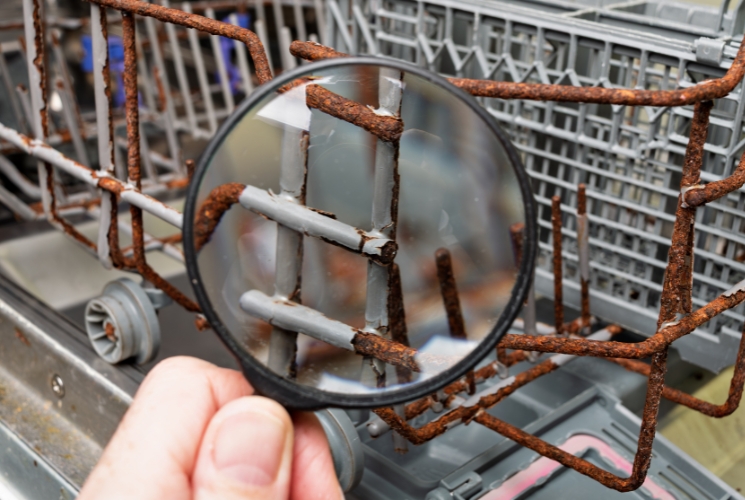
Rust and corrosion can silently damage your appliances, making them less efficient and shortening their lifespan. Here’s how you can remove rust from appliances, depending on which specific system you’re dealing with!
Why Rust and Corrosion Are a Big Deal
In general, rust and corrosion are not easy on the eyes. While this is an aesthetic problem, it can quickly turn into a mechanical issue. Rust and corrosion can cause metal parts to weaken, water leaks, electrical issues, and even affect the taste of food in appliances like fridges and coffee machines. A rusty dishwasher or washing machine can stain clothes or dishes, and corroded ovens or ranges can become unsafe.
Once the rust and corrosion completely take over, it might be too late for a simple homemade fix. Some bad cases even call for a local appliance repair expert.
How To Remove Rust From Appliances
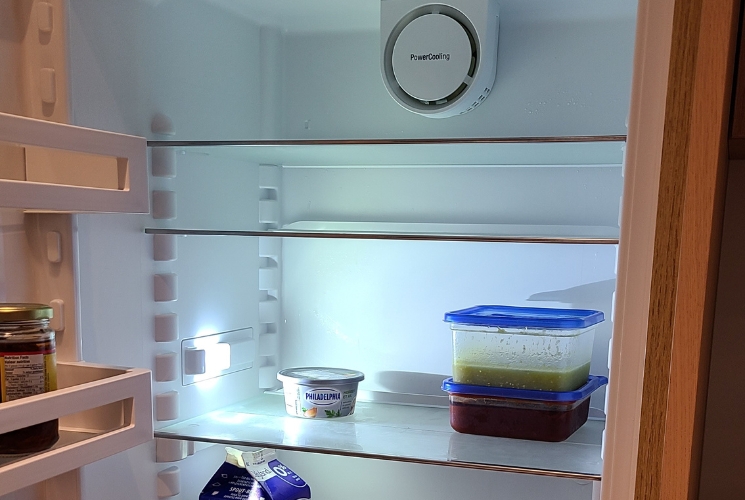
Removing Rust from Fridges and Freezers
These appliances are exposed to moisture all the time. Spills from liquids, grime from leftover food, and just general exposure to moisture can cause rust and corrosion, especially inside and around the door seals. To prevent rust on your fridge and freezer:
- Keep it dry: Wipe up spills immediately with a clean rag or paper towel, especially sugary liquids. For those, you may want to use a soapy concoction to guarantee that the spill is cleaned thoroughly.
- Check seals: Make sure door gaskets are tight and free of mould. Mould on fridge or freezer seals traps moisture, weakens the rubber, and encourages rust, while also causing musty odours and potential health issues. Keeping seals clean prevents corrosion and keeps the appliance running efficiently.
- Use baking soda: Sprinkle some inside to absorb moisture and odours.
- Clean the condenser coils: Dusty coils attract moisture and speed up corrosion. These are usually located either at the back or underneath the appliance. They release heat from inside the fridge to the surrounding air. When they get dusty or dirty, they can’t release heat efficiently, which makes the appliance work harder and creates extra moisture. This can speed up rust and corrosion on metal parts.
Regularly wiping down metal shelves and handles can also stop rust from forming and save you some time and money on a quick service fridge repair. If you spot rust, learning how to remove rust from appliances early keeps it from spreading.
Avoiding Rust on Dishwashers
Dishwashers live in a wet environment, making them prone to rust. Here’s how you can create the perfect environment to avoid rust:
- Rinse dishes properly: Avoid leaving salty or acidic food residue on metal racks. Leaving salty or acidic food residue on metal dishwasher racks can cause rust and corrosion over time, weakening the metal and potentially contaminating dishes. Rinsing properly helps protect the racks and extend their lifespan.
- Dry after cycles: Leave the door slightly open to let moisture escape.
- Check the racks: Damaged coating can expose metal. Repaint or replace them if needed.
- Use gentle detergents: Harsh chemicals can wear away protective coatings. You can tell a detergent is gentle if it’s labelled “mild,” “for delicates,” or “safe for dishwasher-safe metals” and avoids strong chemicals like bleach or phosphates. Gentle detergents usually have neutral pH, fewer abrasives, and won’t strip protective coatings from your appliance racks.
Regular care can prevent corrosion and prolong the life of your dishwasher’s interior and racks, and if you ever notice persistent issues, our dishwasher repair team in Metro Vancouver can help keep everything running smoothly.
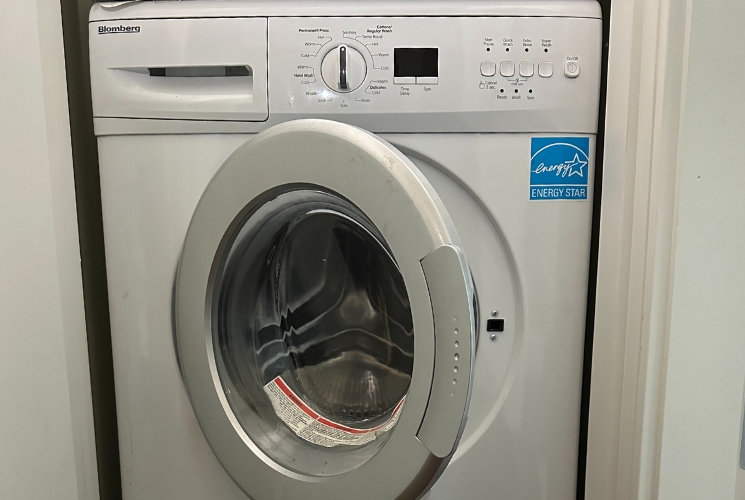
Washers and Dryers Rust Removal
Like dishwashers, laundry appliances handle water constantly, which can lead to rust on drum edges, doors, and exterior panels.
- Keep the area dry: Wipe spills immediately, especially under washers.
- Inspect hoses: Leaks can cause metal surfaces to corrode. If you’re not confident in your ability to check for leaks or fix them, contact ASAP Appliance Repair in Vancouver.
- Leave doors open: After washing, let the machines air out.
- Use mild cleaners: Avoid strong bleach on surfaces that can corrode. Something simple like dish soap diluted in water can give your washer and dryer a good clean without corroding them.
Drum maintenance and checking seals are especially important in this case. Catching these problems early lets you remove rust from appliances before it damages parts.
Getting Rid of Rust on Ovens, Stoves, and Ranges
Heat and food spills can cause metal surfaces to rust over time.
- Clean spills quickly: Sugary or salty spills are the worst for corrosion. Sugary and salty spills speed up rust because they attract moisture and break down metal surfaces. Cleaning them quickly prevents corrosion from forming.
- Avoid harsh scrubbing pads: They can scratch protective coatings.
- Use oven liners: These prevent drips from reaching metal surfaces.
- Check burners and racks: Rust spots should be treated with appropriate cleaners.
General Rules for Removing Rust
If you notice rust forming, it’s better to deal with it quickly. Here are some simple methods to keep in mind that work for almost everything:
- Baking soda paste: Mix 2 parts baking soda with 1 part water, scrub gently, then wipe clean.
- Vinegar soak: Apply to small rust spots, let it sit, scrub lightly. Vinegar is acidic, so it reacts with rust (iron oxide) to help break it down, loosening it from the metal surface. This makes it easier to scrub away small rust spots without harsh chemicals.
- Commercial rust removers: Use carefully on areas safe for chemicals. Choose a product that’s safe for the type of metal in your appliance and free from harsh acids or abrasives that could damage coatings. Always check the label for compatibility and follow the instructions carefully to protect your dishwasher’s interior and racks.
- Sand and repaint: For racks or exposed metal, light sanding followed by appliance-safe paint can restore protection.
Let’s keep your appliance rust-free so you can continue using it for years to come!

Written by
 Fridge Repair
 Dishwasher
 Washer Repair
 Dryer
Dryer Oven Repair
 Stove Repair