
Oven Not Heating Up? The Most Common Causes Explained
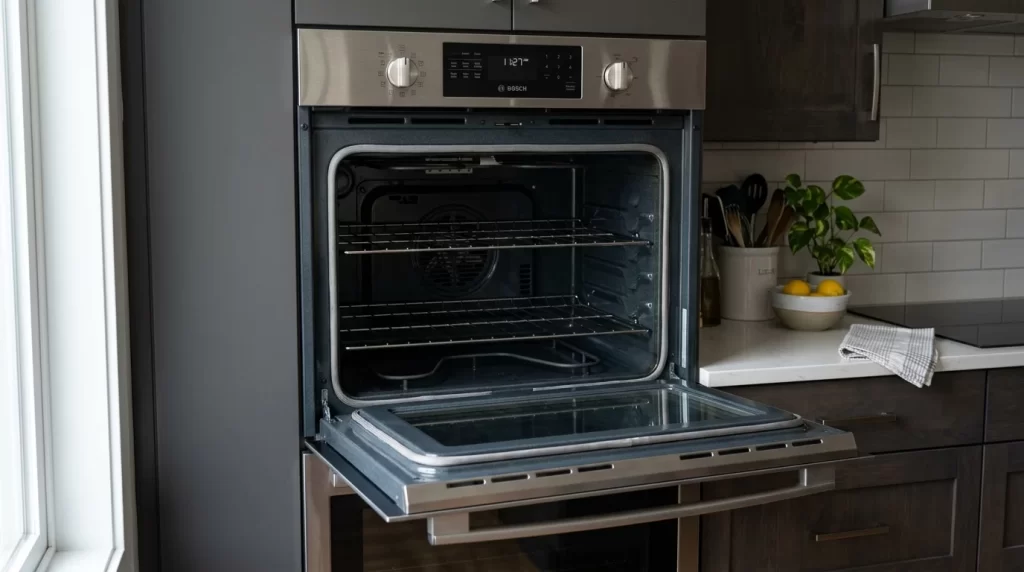
An oven not heating up is almost always caused by one of four things: a failed bake element (electric ovens), a faulty igniter (gas ovens), a temperature sensor that is reading wrong, or a control board problem. This guide walks through each cause for both gas and electric ovens, what to check before calling a technician, and the realistic appliance repair costs in Metro Vancouver.
The good news: most oven heating failures are a single-part repair, and the part is not expensive. The bake element in a typical electric oven costs $30 to $80 and takes about 30 minutes to replace. Get a same-day oven repair if you need it done by a professional.
In this article
Electric oven not heating: causes
Bake element failure
The bake element is the coil at the bottom of the oven cavity. It is the most common reason an electric oven stops heating. When it fails, you will usually see visible damage: a burnt spot, a blister on the element, or a visible crack or break. Sometimes there is no visible sign at all.
Signs the bake element has failed: the broil works fine but bake does not; the oven preheats but never reaches set temperature; food bakes unevenly.
Repair cost: $80 to $200 parts and labour. This is one of the cheaper oven repairs.
Broil element failure
If the broil setting also does not work, and the bake element looks intact, the broil element may have failed instead. Both elements can fail independently.
Thermal fuse
Some ovens have a thermal fuse that blows when the oven overheats. Once blown, the oven will not heat at all. It cannot be reset and must be replaced. If your oven stopped working after a self-cleaning cycle, a blown thermal fuse is a common cause.
Did you know?
Oven self-cleaning cycles run at very high temperatures (around 480 to 500 degrees Celsius) and are hard on thermal fuses. If your oven stopped working immediately after a self-clean, the thermal fuse is the first thing to check.
Gas oven not heating: causes
Igniter failure (most common)
The igniter draws current to heat up and open the gas valve. When it weakens over time, it can glow orange but not get hot enough to open the valve. Gas never reaches the burner, so the oven does not light.
Signs the igniter has weakened: the oven clicks repeatedly but does not light; you can smell gas briefly when you turn it on; it takes much longer than normal to ignite.
Igniter replacement is the most common gas oven repair. Cost: $120 to $250 parts and labour.
Gas valve failure
The gas safety valve controls gas flow to the burner. If the valve fails, no gas reaches the igniter. This is less common than igniter failure and costs more to repair. A technician can test the gas valve quickly.
Spark igniter or standing pilot
Older gas ovens use a standing pilot light. If the pilot has gone out, the oven will not light. Relighting a standing pilot is safe to do yourself; the procedure is usually on a label inside the oven door or on the back panel.
Safety note: If you smell gas and the pilot is not lit, do not attempt to relight it. Ventilate the area, leave the building, and call your gas utility.
Temperature sensor problems
The temperature sensor (also called the RTD probe or oven thermistor) measures the actual oven temperature and sends it to the control board. If it fails, the board cannot regulate heating correctly. Symptoms vary:
- Oven overheats (food burns at normal settings)
- Oven underheats (food undercooked even at high temperatures)
- Oven displays an error code (F3, E1, or similar depending on brand)
- Temperature fluctuates widely during a bake cycle
You can test the sensor with a multimeter. At room temperature (20 degrees Celsius), most sensors read around 1,000 to 1,100 ohms. Your oven manual will list the spec. A reading far outside that range means the sensor has failed.
Repair cost: $100 to $250 parts and labour.
Control board failure
If the bake element tests fine, the igniter is strong, the thermal fuse is intact, and the sensor reads correctly, the control board may be the problem. Control boards regulate all oven functions and fail more often as ovens age.
Signs: the display is blank or shows scrambled information; buttons do not respond; the oven works intermittently; you get error codes that reset themselves without any fix.
Control boards are the most expensive single repair on a modern oven. Parts cost $150 to $400 depending on brand, plus labour. For high-end brands like Bosch or Miele, boards can cost considerably more.
People often ask: Why is my oven preheating but not reaching temperature?
The two most common causes are a failing bake element (electric) or a weakening igniter (gas). Both produce enough heat to start warming the oven but not enough to reach the set temperature. A temperature sensor fault can also cause this symptom. A technician can isolate the cause in a single visit.
What you can check yourself
- Visually inspect the bake and broil elements for cracks, burns, or blisters. Any visible damage means the element needs replacing.
- Check the oven light and clock. If the clock works but the oven does not heat, the element or igniter is likely the cause rather than a total electrical failure.
- Check your breaker panel. Electric ovens run on a dedicated 240V double-pole breaker. If one pole trips, the oven may partially function (clock works, heating does not).
- Check for error codes. Write down any codes shown on the display and look them up by brand. Most oven brand codes are well-documented online.
Frequently asked questions
Why is my oven not heating but the light works?
The oven light runs on the standard 120V circuit; the heating elements run on 240V. If the light works but the oven does not heat, you may have a tripped second pole on your double-pole breaker, or a failed bake element or igniter.
Can I use my oven with a broken bake element?
You can use the broiler if it works, but not the bake function. A broken bake element means heat is only coming from the top, which will burn food. Repair it before baking.
How long does an oven repair take?
Most single-part oven repairs (bake element, igniter, temperature sensor) are completed in one visit of one to two hours. Control board replacements may take slightly longer depending on parts availability.
Is it safe to use a gas oven that is slow to light?
A slow-lighting gas oven usually means the igniter is weakening. It is still igniting, but it is also allowing a small amount of gas to accumulate before lighting. Get it repaired soon. A weak igniter that fails mid-cycle leaves unlit gas in the oven cavity.
If your oven inspection did not turn up a visible fault, book a diagnostic call and our technicians can test the element, igniter, sensor, and board in one visit.
Note: All prices are approximate and may vary based on the appliance, issue, and parts required- contact us for an accurate quote and diagnosis.
Related repair services: Need a technician? We can help with Oven repair in Vancouver or appliance repair across Metro Vancouver.
 Fridge Repair
 Dishwasher
 Washer Repair
 Dryer
Dryer Oven Repair
 Stove Repair