


French Door Fridges: Design, Pros, and Common Quirks

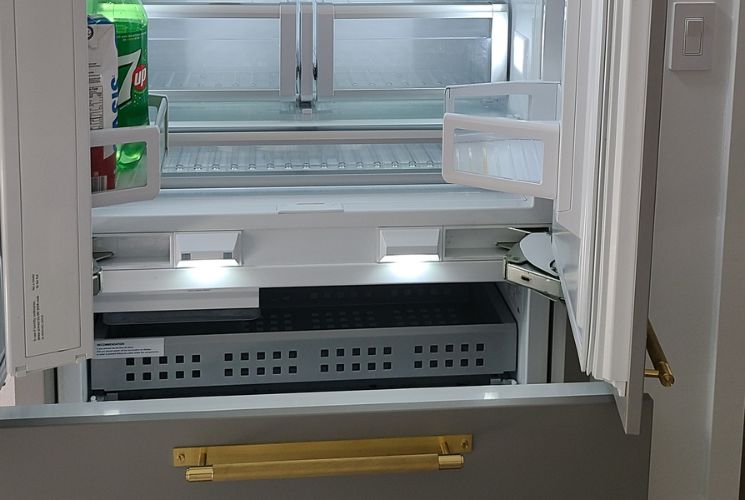
French door refrigerators have become the most sought-after appliance for modern kitchens in Vancouver and the GVA. Their signature look- two narrow doors on top and a large freezer drawer below, offers a blend of high-end aesthetics and practical functionality. While they provide unmatched access to fresh food, their complex design comes with specific mechanical quirks that homeowners should understand.
If you are considering this layout for your home or are currently troubleshooting an issue, here is a detailed look at the design, benefits, and common maintenance needs of French door models.
The Anatomy of a French Door Refrigerator
Why This Layout Dominates Modern GVA Kitchens
The primary appeal of the French door design is that it keeps the most frequently used items at eye level. By placing the refrigerator compartment on top and the freezer in a pull-out drawer at the bottom, you no longer have to bend over to reach the produce bin or milk carton.
Additionally, the two narrow doors require very little clearance to open fully. This makes them an ideal choice for narrow galley kitchens or homes with large central islands, which are common in newer developments across Burnaby and downtown Vancouver.
Pros and Cons: Evaluating the French Door Design
The Benefits for Busy Households
- Wide Storage: Unlike side-by-side models, the full-width interior allows you to store oversized items like pizza boxes or large deli platters.
- Energy Efficiency: You only need to open one small door to grab a quick item, which keeps more cold air inside. Many of these units carry the ENERGY STAR rating, helping to manage your monthly BC Hydro costs.
- Flexible Freezer Space: The deep bottom drawer is perfect for stacking larger frozen items that might not fit on narrow shelves.
Common Quirks and Mechanical Challenges
The added convenience comes with more moving parts. One specific quirk is the center mullion, the vertical flap on the left door that seals the gap between the two doors. If this flap does not flip into place correctly, moisture can enter the fridge, leading to condensation and frost. Furthermore, because these units often house an ice maker inside the warm refrigerator compartment, the system has to work incredibly hard to keep the ice frozen. This complexity is why reliable fridge repair is often requested for these specific models.
Navigating Brand-Specific Issues
Samsung and LG French Door Refrigerators
Samsung and LG are leaders in the French door market, often incorporating high-tech features like “CoolSelect” drawers and dual evaporators. However, these brands have faced well-documented challenges with their ice makers.
In some Samsung models, the ice room is not perfectly sealed, allowing warm, moist air to cause ice buildup that eventually jams the mechanism. Similarly, LG units with linear compressors offer great efficiency but can be sensitive to voltage fluctuations. If your ice maker stops harvesting or you notice a strange ticking sound, seeking expert Samsung appliance repair or professional LG repair is the best way to address these unique engineering hurdles.
Understanding Common Maintenance Needs
| Component | Common Issue | Recommended Action |
|---|---|---|
| Door Hinges | Doors become unaligned or do not close tightly. | Adjust the leveling legs or hinge screws. |
| Ice Maker | Ice clumps together or the dispenser jams. | Lower the freezer temp and clear any frost. |
| Bottom Drawer | Freezer drawer feels heavy or makes a grinding noise. | Clean and lubricate the drawer glides. |
| Water Filter | Water from the door tastes metallic or flows slowly. | Replace the filter every six months. |
When to Call for a Professional Diagnostic
Because French door fridges utilize complex computer boards to manage independent cooling zones, a small sensor failure can lead to big problems. If you notice frost building up on the back wall of the fridge or if the bottom drawer is leaking water onto your hardwood floor, it is usually a sign of a clogged defrost drain or a failing evaporator fan.
Ignoring these early signs can lead to more expensive repairs down the road. If the fridge is no longer holding a safe temperature, getting a professional appliance assessment is essential. You can easily book a repair technician to identify the exact cause and ensure your fresh food stays safe.
Related repair services: Need a technician? We can help with Fridge repair in Vancouver or appliance repair across Metro Vancouver.
 Fridge Repair
 Dishwasher
 Washer Repair
 Dryer
Dryer Oven Repair
 Stove Repair