

10 Simple Appliance Maintenance Tips to Make Them Last Longer
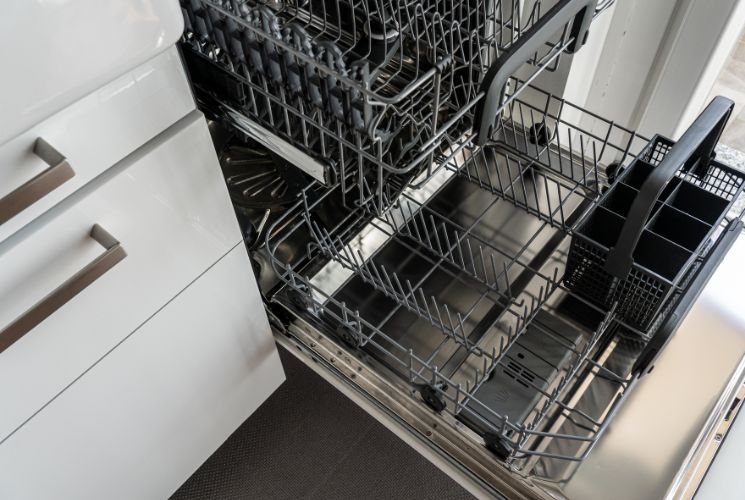
Appliances make our daily routines much easier. The washing machine tames a never-ending heap of laundry, and the dishwasher tackles hours spent scrubbing, discreetly making life easier. But like all hard-working tools, they need a little care to keep them running smoothly. Simple maintenance is something many homeowners forget about, which can result in expensive repairs or the buying of new appliances sooner than anticipated. The good news is, you can easily make sure that your appliances last longer and run efficiently with just a few simple steps.
1. Read the Manufacturer’s Manual
It may seem easy, yet a lot of users overlook this procedure. The appliance manual explains the functioning of your device, the suggested times for cleaning it, and gives you advice on how to fix it if it does not work properly.
By doing what the manual says, you will not experience certain problems like filling too much in your washer or using an unfit wash period in your dishwasher. A lot of concerns can be sidestepped merely by looking at the manual.
2. Clean Appliances Regularly
Dust, grime, and leftover residue can affect how well your appliances work. Here’s a simple breakdown of what to clean and when:
- Refrigerator: Clean the coils every six months to keep it cooling efficiently.
- Washing machine: Run an empty hot water cycle with vinegar to remove soap scum and mildew.
- Dishwasher: Wipe down the filters and spray arms to avoid clogs.
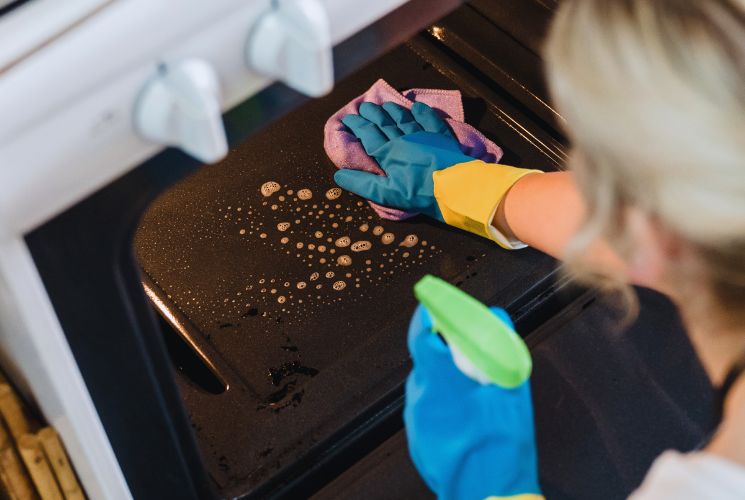
- Oven: Remove spills and crumbs to help it heat evenly.
Regular cleaning helps prevent issues and keeps everything running at its best.
A small tip: set a calendar reminder to stay consistent.
3. Inspect and Replace Filters
Filters play a big role in keeping appliances running smoothly. Over time, they get clogged, which can slow performance.
- Washing machine: Clean lint traps or water inlet filters to prevent drainage problems.
- Dishwasher: Remove food debris from filters weekly.
- HVAC systems: Replace air filters every 1–3 months to keep airflow optimal.
Cleaning or replacing filters regularly can save you from bigger problems later.
4. Don’t Overload Appliances
It’s tempting to fill your washer, dryer, or dishwasher to the max, especially when you’re busy. But overloading puts stress on motors, belts, and other parts.
- Too much weight in a washing machine can lead to unbalanced loads, vibration, and worn drum bearings.
- Overpacking a dishwasher can block spray arms, leaving dishes dirty and making the machine work harder.
Stick to the recommended load limits to keep your appliances in good shape.
5. Check Hoses, Seals, and Connections
Leaks are a common cause of appliance problems. Regularly inspect hoses, seals, and water connections for cracks or wear.
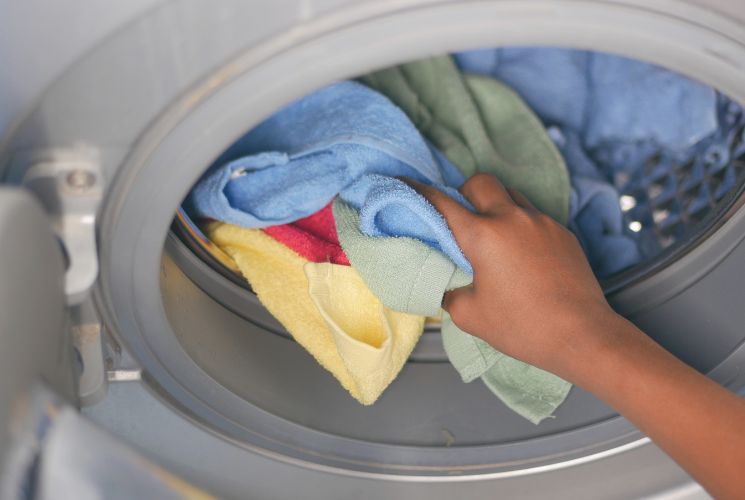
- Washing machine hoses: Replace every 3–5 years to prevent leaks.
- Dishwasher seals: Wipe down gaskets and replace if damaged.
- Refrigerator water lines: Check for cracks and tighten connections to prevent water damage.
Catching problems early can save you from expensive repair calls.
6. Level Your Appliances
An uneven appliance can cause vibration, noise, and faster wear on parts.
- Use a level to check washers, dryers, and refrigerators.
- Adjust legs or supports so appliances sit flat and stable.
A small adjustment now can prevent bigger problems later.
7. Use Proper Cycles and Settings
Cycles of modern appliances are made for different tasks. A wrong setting can lead to loss of appliance life through wear and tear.
- Set the temperature and cycle for the laundry correctly.
- Do not apply heavy dishwasher cycles for small loads every time.
- Only do preheating of ovens when it is really needed and keep broiling to the minimum.
Following the correct cycles helps your appliances last longer.
8. Use the Right Detergents and Cleaning Products
Appliances can get damaged over time due to the use of low-quality detergents or harsh cleaners. Opt for the products that are specially designed for each appliance.
- To minimize the risk of buildup, use only the recommended detergents and rinsing agents for the dishwasher.
- Treat your washing machine with mild detergents to protect the hoses and seals, thus prolonging the life of the machine.
9. Schedule Regular Professional Inspections
Even with good care, some problems need a professional touch. Routine inspections can prevent small issues from becoming costly repairs.
Professional appliance repair technicians can clean hard-to-reach parts, replace worn components, and make sure appliances are safe and working efficiently.
10. Pay Attention to Strange Noises or Smells
Usually, home appliances give off warning signs when something is wrong with them. Unusual sounds or smells should not be ignored.
- If a washing machine makes grinding or squealing noises, it’s possible that its bearings are starting to wear out.
- If there are bad smells coming from the dishwasher, it could mean that there are clogged filters or standing water.
- A refrigerator that makes buzz or hum sounds may be experiencing issues with its motor.
Early detection of these signs will not only prevent major failures but will also increase the life of the appliance.
Now You Know..
Appliances make life a lot easier, but how long they last really comes down to the care we give them. By following these 10 simple maintenance tips, you can avoid costly repairs, lower your energy bills, and enjoy the peace of mind that comes with appliances that run smoothly day after day.
Simple habits, like keeping appliances clean, checking filters, and noticing unusual sounds or smells, can go a long way in extending their lifespan. If a problem ever feels too big to handle, ASAP Appliance Repair is ready to provide fast, reliable, and affordable service right in your home.
 Fridge Repair
 Dishwasher
 Washer Repair
 Dryer
Dryer Oven Repair
 Stove Repair