


Can You Leave an Undercounter Ice Maker Running All Winter?
You can leave your undercounter ice maker running all winter if it sits in a climate-controlled room, but leaving it active in an unheated garage or outdoor kitchen is a recipe for cracked valves and a broken compressor. Whether you plan to keep the ice flowing or power it down until spring, proper winter maintenance for undercounter ice maker units is the only way to prevent costly damage. Homeowners often forget that these specialized appliances are highly sensitive to ambient temperature drops. Investments in premium undercounter appliances require seasonal awareness to maximize their lifespan. If you need assistance preparing your home for the changing seasons, reaching out for Comprehensive appliance repair services ensures your equipment survives the cold months without a hitch. When planning your winter maintenance for undercounter ice maker appliances, knowing exactly what to do will save you from an unexpected plumbing disaster.
Indoor versus outdoor setups dictate your winter strategy
Understanding the environment is the first step in winter maintenance for undercounter ice maker setups. Ambient room temperature plays a massive role in how the refrigeration cycle operates and dictates ice production rates. Ice machines rely on a delicate balance of heat exchange. The condenser needs to release heat into the surrounding air to cool the internal components. When the ambient air drops below a certain threshold, the refrigerant pressures drop too low, confusing the thermostat and throwing off the cycle timers.
Indoor units located in heated kitchens, basement bars, or finished pantries can run normally year-round because the ambient temperature remains consistent. For these indoor models, winter maintenance for undercounter ice maker systems focuses entirely on cleaning and filter replacement rather than freeze protection.
Conversely, units installed in unheated garages, three-season sunrooms, or outdoor kitchens require immediate attention before the first hard freeze hits. Once the temperature in these spaces dips near freezing, the water inside the machine is at risk.
| Setup Location | Winter Ambient Temp | Primary Risk | Required Action |
|---|---|---|---|
| Heated Kitchen | Consistently above 18°C | Dust buildup on condenser | Deep clean and descale |
| Finished Basement | Consistently above 15°C | Stale water in reservoir | Replace water filter |
| Unheated Garage | Fluctuates, drops below 0°C | Frozen lines and pump failure | Full seasonal shutdown |
| Outdoor Kitchen | Drops well below freezing | Burst inlet valves and cracked fittings | Full seasonal shutdown and purge |
The hidden risks of freezing temperatures on standalone ice machines
The physics of freezing water creates immediate threats to any standalone ice machine left unprotected in the cold. Water expands by about nine percent when it freezes. Inside the tight confines of an ice maker, this expansion leads directly to burst inlet valves, split internal water lines, and shattered plastic fittings. A tiny crack in a hidden water line might not reveal itself until spring. When you turn the water back on, the leak can flood your cabinetry. Hardwood floors and custom woodwork act like sponges when exposed to slow leaks from a thawed out, cracked water line.
Beyond water expansion, operating a compressor in freezing ambient temperatures causes the internal lubricating oil to thicken. Compressors require thin, flowing oil to prevent metal-on-metal friction. When that oil turns into a thick sludge due to the cold, the compressor motor has to work twice as hard to pump refrigerant. This risks severe mechanical failure and often leads to a complete system breakdown.
Proactive ice maker water line freeze prevention saves homeowners from expensive cabinet water damage and major part replacements. Skipping winter maintenance for undercounter ice maker equipment often results in repair bills that exceed the cost of buying a brand new unit. Thorough winter maintenance for undercounter ice maker units placed in vulnerable areas is a non-negotiable task.
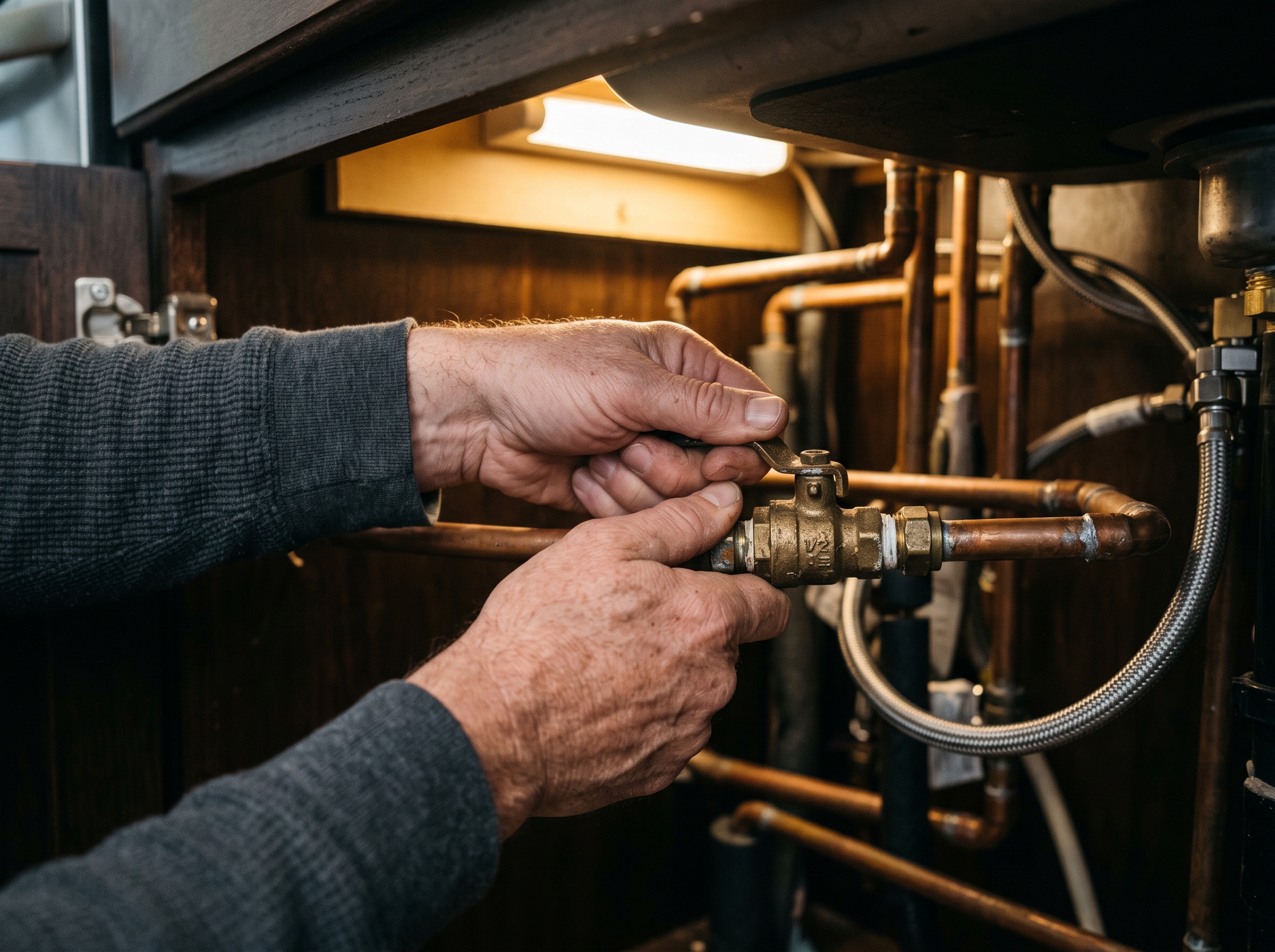
Step-by-step guide to a seasonal appliance shut down
If your unit lives in a space that will drop below freezing, shutting it down is the only safe option. Following a strict winter maintenance for undercounter ice maker shutdown procedure protects the internal components from permanent damage.
First, locate and turn off the dedicated water supply valve to the ice machine. This valve is often located under the sink or directly behind the unit itself. Once the water is completely shut off, power down the unit and initiate the factory drain or purge cycle. This function forces the internal drain pump to push out as much remaining water from the internal lines as possible. Check your owner manual for the specific button combination to activate the purge cycle. Some setups may even require blowing compressed air through the lines at a very low PSI to guarantee no water droplets remain in the elbows of the tubing.
Next, drain the water reservoir manually. Scoop out all leftover ice from the storage bin. Leaving ice in the bin causes it to slowly melt and pool over time. Stagnant water promotes stale odors and mold growth over the winter months. Wipe down the interior with a dry towel to remove all lingering moisture.
Finally, unplug the machine entirely. Leave the door slightly propped open to allow air circulation throughout the winter months. Blocking the door open prevents musty odors from developing inside the sealed, dark compartment.
Routine winter maintenance for undercounter ice maker units staying indoors
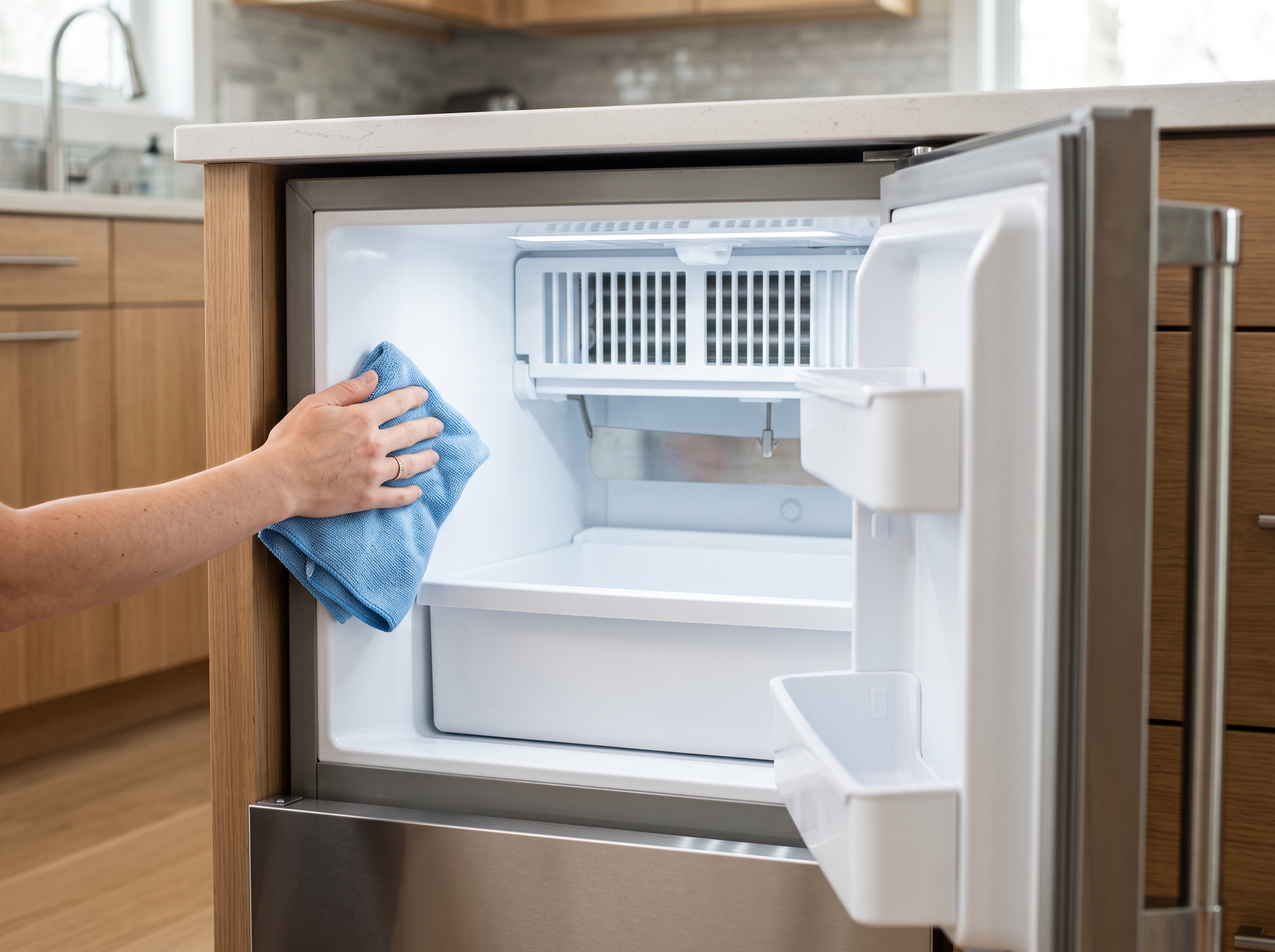
If your machine sits safely inside a heated room, you do not need to shut it down. However, the colder months offer a perfect opportunity to perform a thorough deep clean. Winter maintenance for undercounter ice maker units staying indoors ensures you have clean, fresh ice for holiday hosting and daily use.
Take advantage of lower winter usage to run a deep cleaning and descaling cycle using a manufacturer-approved solution. Mineral scale builds up on the evaporator plate over time, which slows down ice production and causes misshapen, cloudy cubes. Always use a nickel-safe descaler if your model requires it, as harsh chemicals can strip the protective plating off the evaporator grid. After descaling, replace the water filter. A fresh filter prevents future scale buildup and keeps the ice tasting clean.
You should also vacuum the front condenser coils to maintain proper airflow. Indoor heating systems run constantly during the winter, pushing warm air and dust around your kitchen. If the condenser coils are clogged with pet hair and debris, the compressor will overheat in a warm, enclosed space. Regular coil cleaning aligns with recommendations from regulatory authorities like ENERGY STAR to keep household appliances running efficiently and reduce energy consumption.
Lastly, inspect the rubber door gasket for a tight seal. A strong, flexible seal keeps room-temperature air out and cold air locked inside, reducing the workload on the compressor.
Warning signs that require professional ice maker repair
Even with excellent winter maintenance for undercounter ice maker systems, extreme weather or normal wear and tear can take a toll on your appliances. Recognizing the early symptoms of winter damage can save your machine from total failure.
One common sign of trouble is a machine that powers on and sounds completely normal but produces no ice. This often points to a frozen or damaged water inlet valve that is failing to open and let water into the reservoir. You should also listen for unusual grinding, clicking, or squealing noises. These harsh sounds indicate a frozen water pump or a struggling compressor motor fighting against thickened oil.
Look for pooling water around the base of the unit. A puddle on the floor points directly to a cracked internal line, a broken drain pump, or a leaking inlet valve caused by ice expansion.
If you notice any of these issues, do not try to fix them yourself. Modern ice machines rely on sealed refrigerant systems, high-voltage components, and complex electronics. Refrigerant systems operate under high pressure and require specialized licensing to handle legally and safely. We highly recommend calling a local technician for professional diagnosis rather than attempting risky DIY fixes. If your machine is showing signs of damage, Book a free quote to have an expert evaluate the situation and restore your appliance safely.
Frequently asked questions about standalone ice machine maintenance
Prioritizing winter maintenance for undercounter ice maker longevity raises a few common questions for homeowners preparing for the cold season.
At what exact temperature should I shut off my outdoor ice maker?
You should power down and drain your outdoor ice maker before the ambient temperature drops below 7 degrees Celsius (45 degrees Fahrenheit). At this temperature, the water inside the uninsulated lines begins to chill too rapidly, and the risk of unexpected overnight freezing increases significantly.
Can I use antifreeze in my ice maker water lines?
No, never put antifreeze or any other winterizing chemical in your ice maker. Antifreeze is highly toxic and will permanently ruin the internal components, tubing, and food-safe surfaces of the machine. The only safe way to protect the lines from freezing is to drain them completely of all water.
How often should I clean my indoor ice maker during the winter months?
For indoor units running year-round, you should perform a deep clean and descale every three to six months depending on your local water hardness. Completing one of these cycles as part of your winter maintenance for undercounter ice maker routine prepares the machine for heavy use during holiday gatherings and keeps your ice tasting fresh.
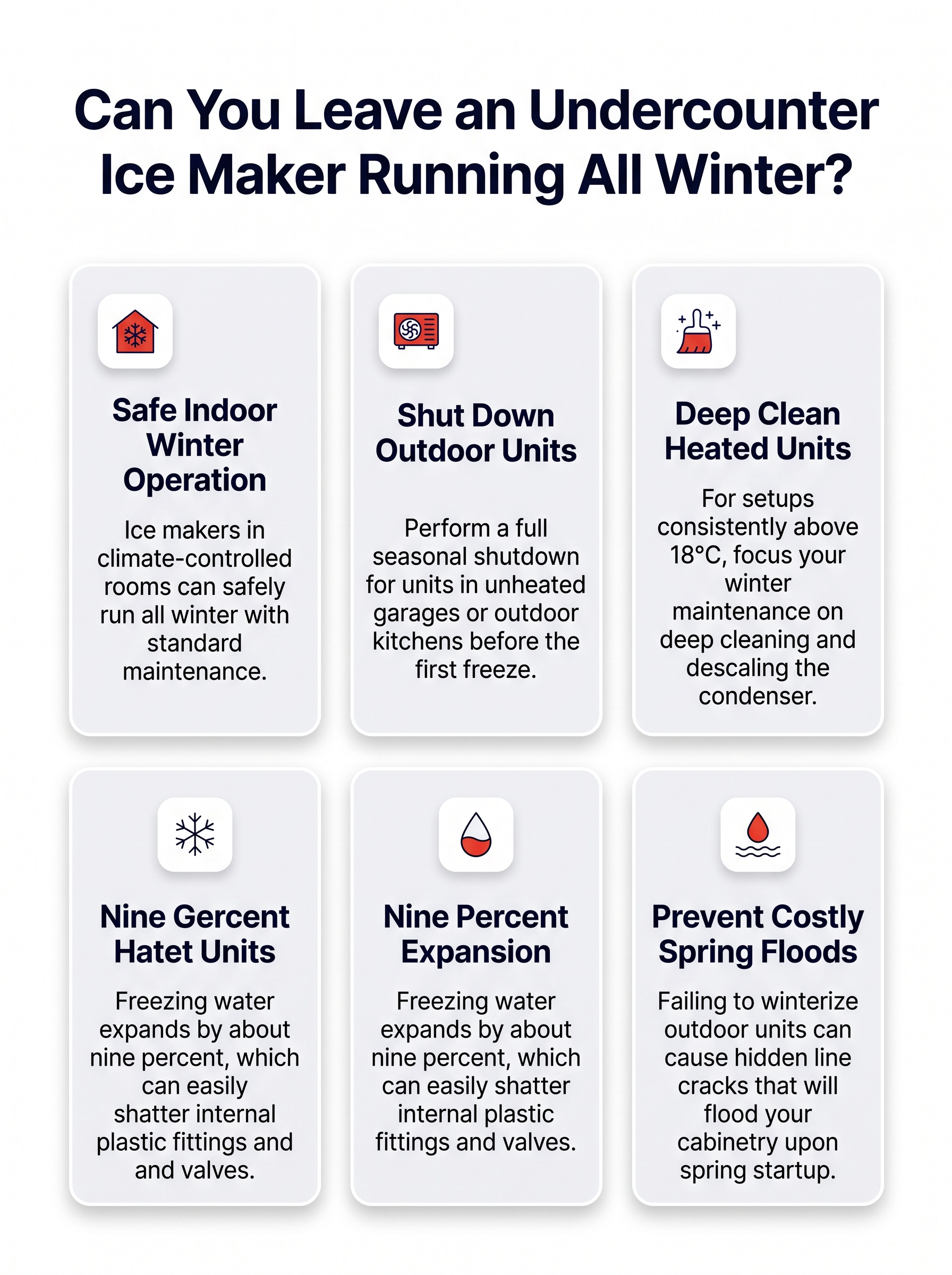
Free Checklist: Winter Maintenance for Undercounter Ice Makers
 Fridge Repair
 Dishwasher
 Washer Repair
 Dryer
 Oven Repair
 Stove Repair